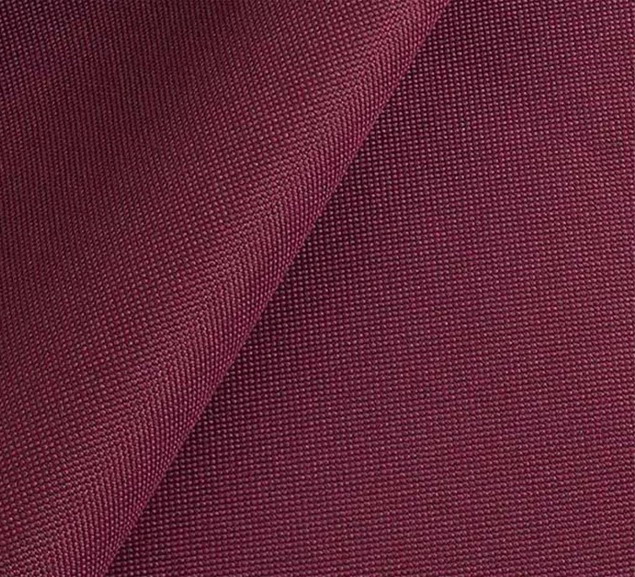
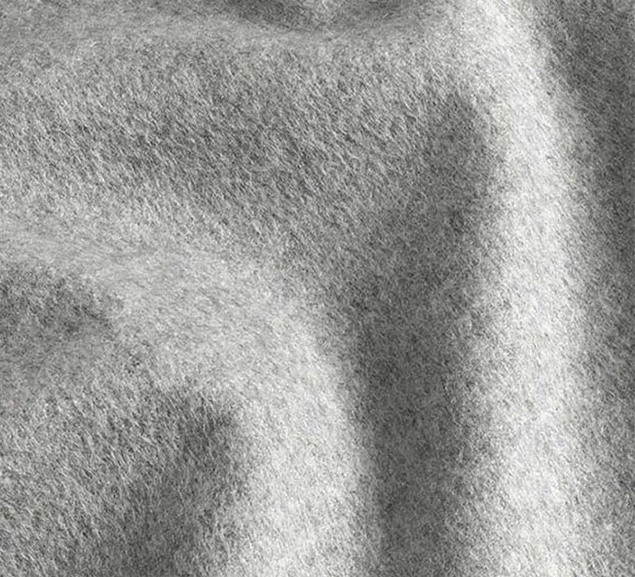
What Material is Sportswear Made from?

Fabric composition customizable as per buyer requirement.

GSM options available from 160 to 400+ depending on design.

Fabric Type Mention karein:
French Terry Fleece (Brushed / Unbrushed) Interlock Jersey Knit Rib Knit Mesh Fabric Dry Fit Polyester 

Technical Specifications
Material Options:
80% Cotton / 20% Polyester (Customizable)
Fabric Type:
Premium French Terry / Fleece
GSM:
300–320 GSM (Custom GSM available)
Customization:
Private Label, Custom Tags, Packaging Available

100% Cotton
80% Cotton / 20% Polyester
60% Cotton / 40% Polyester
100% Polyester
92% Polyester / 8% Spandex

Spandex/Elastane

The synthetic fiber known as spandex, or elastane, was initially created in the 1940s. This fabric, which is well-known for its performance and comfort, has amazing stretch and recovery qualities. It can be stretched up to five times its original length and, when released, will revert to its original shape.

As a result, spandex—which is often mixed with cotton or polyester—is a best material for sportswear since it permits complete range of motion without sacrificing the structural integrity of the item.

Nylon

The synthetic polymer known as nylon was initially created in the 1930s to take the role of silk. Because of its strength and durability, this fabric is perfect for activewear items that will be subjected to a lot of wear and tear.

Since it offers a lot of support, nylon is frequently used in other compression clothing. Furthermore, nylon is frequently utilized as a reinforcement in other textiles and its great elasticity and smooth fit make it perfect for swimwear when applied to knit materials. It is ideal for use in outerwear applications due to its poor breathability and mild moisture-wicking capabilities.


It’s simple to apply a durable water-repellent (DWR) treatment to nylon woven textiles, such softshell and ripstop, to aid in moisture beading up and rolling off the fabric’s surface and one more thing is that nylon is suitable for any type of workout activity whether it is an intense weight lifting or any other type of sports.

Merino Wool

The merino wool, a breed of sheep that originated in Spain and is now distributed around the world, produces the wool that is known as merino wool. This wool is perfect for activewear because it is exceptionally soft and has great moisture-wicking qualities.

Because merino wool is so delicate, it’s frequently used in base layers and other clothing that will be worn adjacent to the skin. It’s a well-liked option for socks as well because it helps control body temperature and avoid blisters. Merino wool is a good material for outdoor sports, especially for hiking, running, mountain biking, and mountaineering
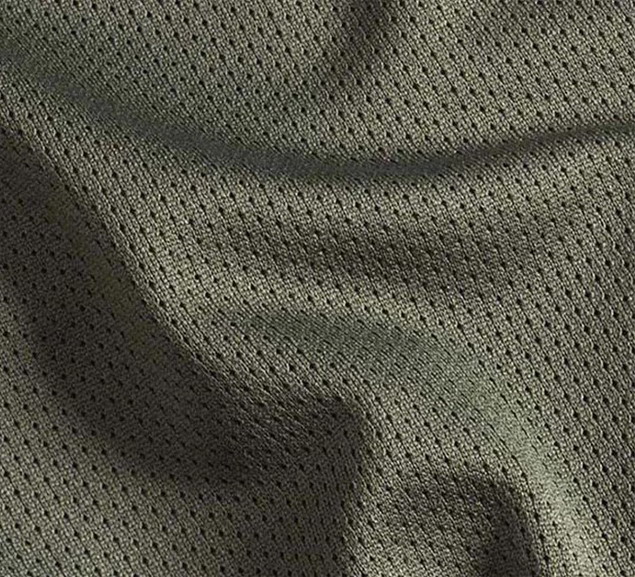
Despite being a natural fiber, merino wool production does need a lot of resources; sheep must be shorn annually, and the wool must be treated before it is usable. Along with that, merino wool is more prone to pilling and is not as resilient as synthetic materials.

Synthetic

Originally designed to replace rubber and plastic sportswear, synthetic sportswear was intended for athletes.

Not only may synthetic material be utilized for apparel, but it can also be used for other sports equipment like elbow and knee bands. In addition to being breathable, this material absorbs perspiration fast, keeping you cool while exercising.

The main disadvantage of synthetic sportswear is related to its manufacturing process. Chemical synthesis is used in its production, which results in non-renewable byproducts that

are bad for the environment. Synthetic is mostly used in soccer, football, basketball and many other sports.

0
Back to Top

Search For Products

Product has been added to your cart
Compare (0)